
Auto Accident Doctor: Expert Injury Care
Health, Auto Accident Doctor, Injury Care
Auto Accident Doctor: Expert Care for Car Crash and Truck Accident Injuries
If you have been in a car crash or truck accident, choosing the right Auto Accident Doctor can make the difference between a full recovery and long‑term pain. This guide explains what to do after a collision, which injuries to watch for, and how specialized accident clinics in areas like Orlando and Davenport support your healing and legal claim.

Why You Need an Auto Accident Doctor After a Collision
After a crash, many people focus on their vehicle damage and insurance paperwork and ignore their own health. Yet Car Crash Injuries and truck collision trauma can be serious even when your car shows only minor dents. An experienced Auto Accident Doctor understands the specific forces involved in rear‑end, side‑impact, and high‑speed truck accidents and knows how to identify hidden damage to muscles, ligaments, nerves, and the spine.
Unlike a general walk‑in visit, accident‑focused care combines medical evaluation, imaging, documentation, and a tailored treatment plan. This is especially important if you are working with a Personal Injury Physician as part of an insurance or legal claim. Thorough records from the very first visit can support your case and help ensure that future medical needs are covered.
Common Car Crash Injuries You Should Never Ignore
Even low‑speed collisions can jolt the body violently. Some injuries cause immediate pain, while others develop over hours or days. An Auto Accident Doctor at an Orlando Injury Clinic or Davenport Accident Care center will carefully screen for the following conditions, even if you feel “mostly fine” at first:
Whiplash and neck strain: Sudden back‑and‑forth motion of the head can overstretch neck muscles and ligaments, causing stiffness, headaches, and limited range of motion.
Back and spinal injuries: Herniated discs, sprains, and facet joint injuries can lead to chronic back pain, shooting leg pain, or numbness if not treated early.
Head injuries and concussions: Even if you did not lose consciousness, dizziness, confusion, or sensitivity to light may signal a concussion that needs prompt evaluation.
Shoulder, knee, and joint trauma: Seatbelts, steering wheels, and dashboards can injure shoulders, knees, and wrists, especially in frontal or side impacts.
Soft‑tissue injuries: Strains, sprains, and deep bruising may not show up on X‑rays, but they can significantly affect mobility and comfort.
Pro Tip: If you notice new pain, headaches, dizziness, or tingling in the days after your crash, schedule a follow‑up visit with your Auto Accident Doctor. Some injuries take time to reveal themselves.
How Truck Accident Treatment Differs From Standard Car Crash Care
Collisions involving commercial trucks, delivery vehicles, or large SUVs often create more severe forces than typical passenger‑car accidents. Truck Accident Treatment usually requires a more intensive and carefully monitored approach because injuries can be more complex and multi‑system in nature. Spinal fractures, severe whiplash, internal injuries, and extensive soft‑tissue damage are more common when a heavy truck is involved.
A clinic that regularly handles truck accidents—such as a well‑equipped Orlando Injury Clinic or Davenport Accident Care center—will coordinate imaging, specialist referrals, and rehabilitation under one roof. Your Personal Injury Physician may also work closely with surgeons, neurologists, or pain management experts to ensure that every aspect of your recovery is addressed, from immediate pain relief to long‑term function and quality of life.
Step‑by‑Step: What Happens at Your First Auto Accident Doctor Visit
Understanding what to expect can ease anxiety and help you make the most of your appointment. While each practice is unique, most Auto Accident Doctors follow a similar process during your initial visit after Car Crash Injuries or a truck collision.
Detailed accident history: You will be asked how the crash happened, where you were seated, whether you wore a seatbelt, and which direction the impact came from. These details help your doctor predict likely injury patterns.
Symptom review: Your doctor will go over any pain, stiffness, headaches, dizziness, numbness, or sleep issues you are experiencing. Do not minimize your symptoms—small details matter for accurate diagnosis and documentation.
Physical examination: Expect a thorough exam of your neck, back, joints, and nervous system. Range‑of‑motion tests, strength assessments, and neurological checks help identify problem areas and rule out red flags that might require emergency care.
Imaging and diagnostic tests: Depending on your symptoms, your Auto Accident Doctor may order X‑rays, MRI scans, or other studies to look for fractures, disc injuries, or soft‑tissue damage that cannot be seen from the outside.
Personalized treatment plan: Finally, you will receive a clear plan for your care. This may include in‑office treatments, home exercises, medications, and follow‑up visits. If you are working with a Personal Injury Physician, your plan will also be designed to support your legal or insurance case.
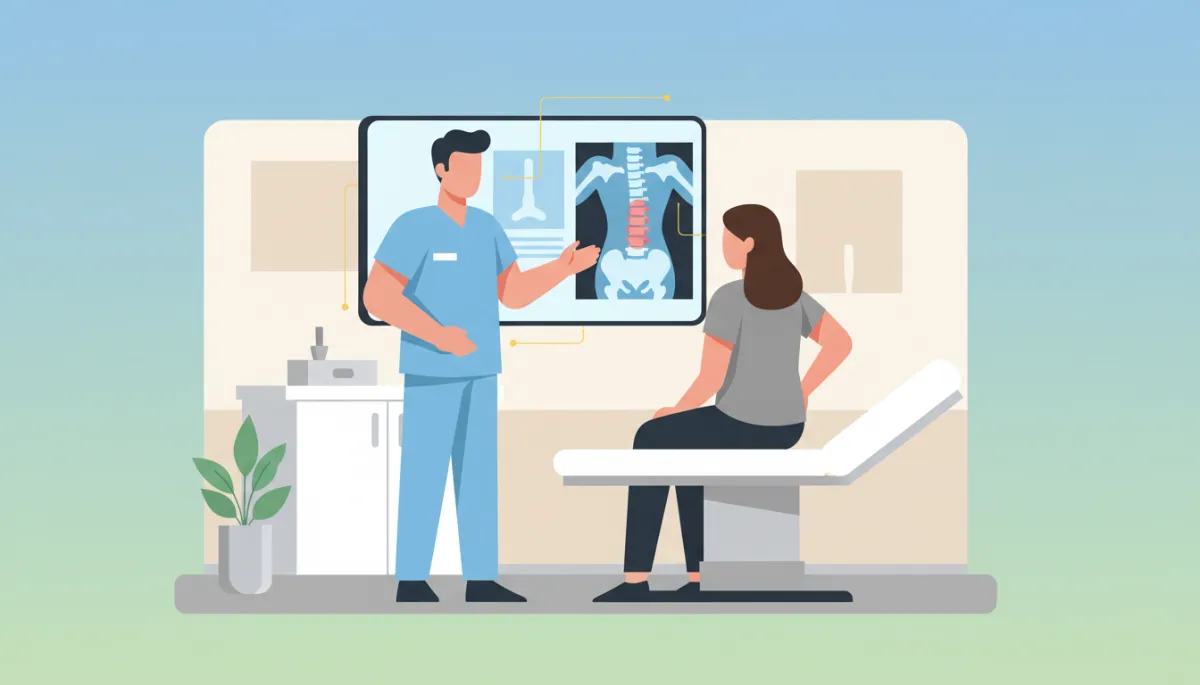
Clear explanations and written plans help patients stay engaged in their recovery.
Types of Auto Accident Injury Treatment You May Receive
Effective recovery from Car Crash Injuries or Truck Accident Treatment rarely relies on a single solution. Most patients benefit from a combination of therapies, tailored to their unique injuries, medical history, and lifestyle. At a dedicated Orlando Injury Clinic or Davenport Accident Care facility, your Auto Accident Doctor may recommend some of the following options:
Pain Management and Medication Support
Short‑term pain relief may involve over‑the‑counter medications, prescription anti‑inflammatories, or muscle relaxants. When used correctly under medical supervision, these tools can make it easier to participate in physical therapy and daily activities. A Personal Injury Physician will document your medication needs and monitor for side effects or interactions with existing prescriptions.
Physical Therapy and Rehabilitation Exercises
Physical therapy is a cornerstone of Truck Accident Treatment and post‑collision care. Guided exercises, stretching, and strengthening routines help restore flexibility, stabilize injured joints, and reduce pain over time. Your therapist may also use techniques such as manual therapy, therapeutic ultrasound, or electrical stimulation to support healing and decrease inflammation.
Chiropractic and Spinal Alignment Care
Many Auto Accident Doctors work closely with chiropractors or are trained in spinal manipulation themselves. Gentle adjustments can help correct misalignments caused by the crash, improve mobility, and relieve pressure on nerves. When combined with stretching and strengthening, chiropractic care can be particularly helpful for whiplash, neck pain, and lower‑back injuries after a collision.
Interventional Pain Procedures When Needed
In more serious cases—especially after truck accidents—your Personal Injury Physician may recommend targeted procedures such as joint injections, nerve blocks, or epidural steroid injections. These interventions are designed to reduce inflammation around irritated nerves or joints and can provide significant relief when conservative care alone is not enough. They are typically performed in coordination with ongoing rehabilitation, not as a stand‑alone solution.
Home Care, Lifestyle Guidance, and Work Restrictions
Your recovery does not stop when you leave the clinic. A thorough treatment plan will include instructions for home stretching, the use of heat or ice, sleep positioning, and ways to modify work or household tasks to avoid aggravating your injuries. Written work restrictions from your Auto Accident Doctor can also protect you from returning to heavy lifting or repetitive motions before your body is ready, which is essential for long‑term healing.
Key Takeaway: Recovery from an auto accident is rarely “one and done.” Expect a phased plan that may combine medications, therapy, chiropractic care, and lifestyle changes over several weeks or months.
The Role of a Personal Injury Physician in Your Legal and Insurance Claim
When your crash involves another driver’s negligence, your medical care is closely tied to your legal and insurance outcomes. A Personal Injury Physician understands how to document your injuries, treatment progress, and long‑term prognosis in a way that supports your claim. This includes accurate diagnosis codes, detailed visit notes, imaging reports, and clear statements about how the accident caused or aggravated your condition.
Clinics that focus on accident care, such as an Orlando Injury Clinic or Davenport Accident Care practice, are also familiar with working alongside attorneys and insurance adjusters. While your primary relationship is always with your doctor, having a team that understands the paperwork and timelines involved in personal injury cases can reduce stress and help ensure that your medical bills are handled properly while you focus on healing.
Why Prompt Treatment Matters: Health, Recovery, and Claim Protection
Delaying a visit to an Auto Accident Doctor is one of the most common mistakes people make after a collision. You might hope the pain will fade on its own or feel too busy to schedule an appointment. Unfortunately, waiting can have serious consequences for both your health and your personal injury case.
Medical risks: Untreated whiplash, disc injuries, or concussions can lead to chronic pain, weakness, or cognitive problems that are harder to reverse later on.
Documentation gaps: Insurance companies may argue that your injuries are unrelated to the crash if you wait weeks to seek care, or if there are long gaps between appointments.
Lost evidence: Early imaging and exam findings provide a baseline. Without them, it can be harder to prove how much the accident changed your health.
By contacting an Orlando Injury Clinic or Davenport Accident Care provider within days of your crash, you give yourself the best chance at a full recovery and a strong, well‑documented claim. Even if you visited an emergency room right after the accident, follow‑up with an Auto Accident Doctor is essential for ongoing management and rehabilitation.
Choosing the Right Auto Accident Doctor or Injury Clinic for Your Needs
Not all clinics are equally experienced in handling Car Crash Injuries and Truck Accident Treatment. When you are searching for care in your area, consider the following factors to find a trustworthy partner in your recovery:
Experience with auto accidents: Ask how often the clinic treats collision‑related injuries and whether they have dedicated protocols for whiplash, back pain, and concussion care.
On‑site services: Locations like a comprehensive Orlando Injury Clinic or Davenport Accident Care center may offer imaging, physical therapy, chiropractic care, and pain management under one roof for convenience and continuity.
Coordination with attorneys and insurers: A Personal Injury Physician who regularly communicates with legal teams can help streamline paperwork and avoid delays in your case.
Patient‑centered communication: Look for a doctor who takes time to explain your injuries, answer questions, and involve you in decisions about Truck Accident Treatment or car crash care.
Consider This: A good fit with your Auto Accident Doctor is about more than credentials. You should feel heard, respected, and confident that your concerns are taken seriously.
Recovering Emotionally After Car Crash or Truck Accident Injuries
Physical injuries are only part of the story. Many people experience anxiety, sleep problems, or fear of driving after a crash. A compassionate Auto Accident Doctor or Personal Injury Physician will ask about your emotional well‑being as well as your physical pain, and may recommend counseling, support groups, or relaxation strategies to help you cope.
At clinics that see a high volume of Car Crash Injuries—such as Orlando Injury Clinic or Davenport Accident Care practices—staff members are often trained to recognize signs of post‑traumatic stress and to refer you to trusted mental health professionals when needed. Addressing emotional trauma early can improve sleep, reduce pain sensitivity, and make it easier to follow through with your physical treatment plan.
Taking the Next Step: When to Call an Auto Accident Doctor
If you have recently been involved in a collision—whether a minor fender‑bender or a serious truck accident—do not wait for the pain to become unbearable. Contact an Auto Accident Doctor as soon as possible if you notice any of the following:
Neck, back, or shoulder pain that started after the crash
Headaches, dizziness, blurred vision, or trouble concentrating
Numbness, tingling, or weakness in your arms or legs
Difficulty sleeping, increased anxiety, or fear of driving since the accident
Whether you choose an Orlando Injury Clinic, a Davenport Auto Accident Care provider, or another trusted practice in your area, the most important step is simply to begin. With expert evaluation, personalized Truck Accident Treatment or car crash care, and support from an experienced Personal Injury Physician, you can protect your health, support your claim, and move confidently toward recovery.
You did not choose to be in an accident—but you can choose how you heal from it. Reaching out to a dedicated Auto Accident Doctor today is a powerful first step toward reclaiming your comfort, mobility, and peace of mind after Car Crash Injuries or a serious truck collision.
